

The Importance of Passenger Entertainment During Long-Haul Flights
In-flight entertainment (IFE) plays a pivotal role in enhancing passenger experiences, particularly during long-haul flights that can extend for hours. As travelers are confined to their seats for extended durations, engaging entertainment options become essential in alleviating discomfort and anxiety associated with such journeys. The integration of noise-reducing cabin earphones, designed to deliver high-quality sound while minimizing ambient noise, significantly improves the enjoyment of the IFE provided by airlines.
The variety of entertainment options available onboard ranges from movies and music to games, each tailored to cater to the diverse preferences of passengers. Quality entertainment serves as a distraction, mitigating the feelings of restlessness that often accompany long flights.
Recent trends have indicated a growing demand among travelers for personalized IFE solutions. This shift reflects the desire for curated content that aligns with individual tastes, coupled with access to the latest cinematic releases and popular television series. Furthermore, the advent of streaming technology allows airlines to offer updated content regularly, appealing to tech-savvy customers who expect high-quality entertainment during their travels. The flexibility to connect personal devices through standard plug solutions enhances convenience, giving passengers the choice to use their headphones or the aircraft-provided options.
The aviation industry has recognized the significance of enhancing inflight passenger comfort through improved IFE offerings. This includes a focus on providing high-definition screens, a greater selection of titles, and user-friendly interfaces. Airlines are increasingly investing in wholesale airline supplies that support these amenities and ensure exceptional satisfaction among passengers. As airlines prioritize passenger entertainment options, it ultimately enriches the flying experience, making long-haul flights more enjoyable and less taxing.
Innovations in Lightweight Design for Enhanced Comfort
The aviation industry has witnessed significant advancements in lightweight design, fundamentally transforming passenger comfort during long-haul flights. The utilization of innovative materials such as carbon fiber, aluminum alloys, and advanced composite materials has led to substantial reductions in aircraft weight. This shift not only enhances fuel efficiency but also directly contributes to a more pleasant in-flight experience for passengers.
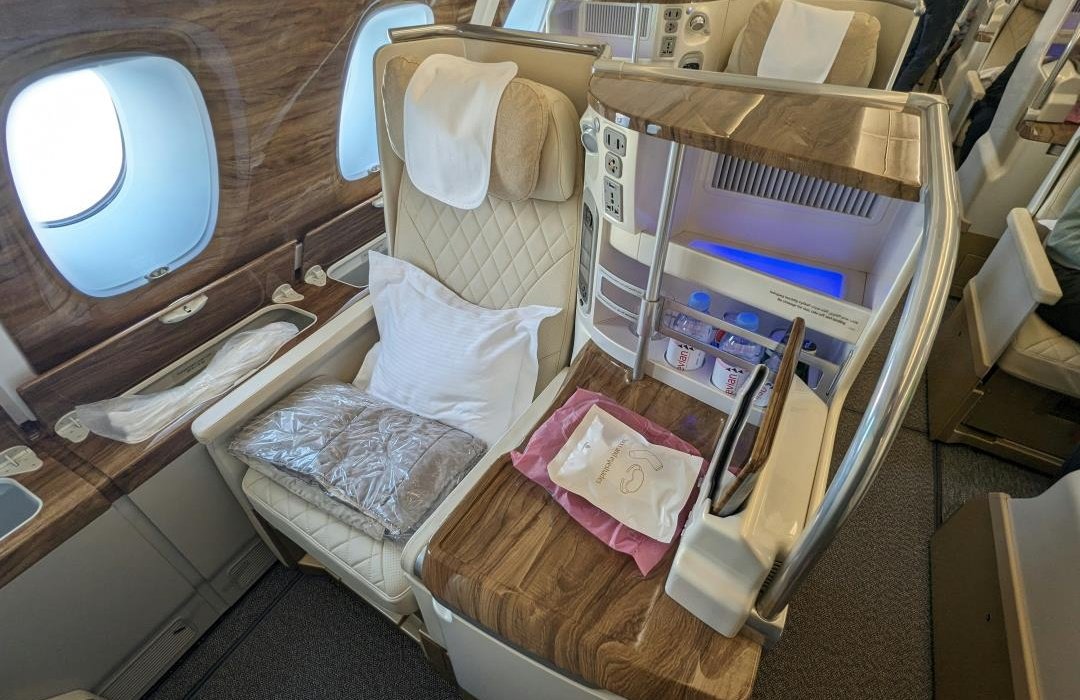
One notable area where lightweight design has made an impact is in ergonomic seating. New designs prioritize passenger comfort by incorporating adjustable features and improved cushions. These seats are not only lighter but also designed to accommodate passengers over long durations, minimizing discomfort and allowing for enhanced relaxation throughout the flight. Coupled with smart cabin layouts that maximize space, these innovations create an environment conducive to leisure and entertainment.
Moreover, the introduction of larger screens and superior sound systems is facilitated by these weight-reducing technologies. With the capacity to design lighter aircraft cabins, airlines can allocate more room for cutting-edge entertainment options, including noise-reducing cabin earphones that significantly enhance the audio experience for inflight movies and music. These advancements are a core aspect of modern aviation audio solutions, ensuring that passengers enjoy their favorite entertainment without disruptive cabin sounds.
Additionally, lighter cabin elements contribute to improved overall inflight passenger comfort by reducing stress on the aircraft’s structural components. This not only ensures a smoother ride but also allows airlines to focus on integrating wholesale airline supplies efficiently. For example, lightweight service carts can optimize cabin service without compromising on the amenities provided. As a result, these innovations collectively lead to a holistic approach to enhancing the inflight passenger experience, demonstrating the essential link between lightweight design and entertainment capabilities.
Understanding Standard Dual-Pin/Single-Pin Aviation Plugs
Aviation audio solutions are a crucial aspect of in-flight passenger comfort, directly impacting the overall experience during air travel. The standard dual-pin and single-pin aviation plugs are specifically designed to accommodate a variety of audio systems implemented in aircraft, ensuring that passengers can connect their noise-reducing cabin earphones seamlessly. These plugs play a pivotal role in linking personal audio equipment with the aircraft’s in-flight entertainment systems, enabling a smoother and more enjoyable audio experience.
The dual-pin plug is commonly used by many airlines as it provides a stable connection that can cater to a broader range of personal devices. This plug typically features two pin connectors which align with the aircraft’s audio jacks, allowing passengers to use their own earphones while ensuring high-quality sound delivery. In contrast, the single-pin aviation plug is often seen in older aircraft and some regional flights. Although it offers basic audio capability, it may require adapter solutions for compatibility with modern devices. Understanding the nuances between these plug types is essential for both airlines and passengers, as it affects convenience and accessibility.
Moreover, the incorporation of standard plugs means that passengers can connect their personal devices without requiring specialized equipment, enhancing overall convenience. This accessibility not only allows for easy integration but also leads to an enjoyable experience as travelers can charge their devices during the flight. Overall, the adoption of standard dual-pin and single-pin aviation plugs in modern airline systems fosters an improved user experience. This small yet significant detail in wholesale airline supplies is instrumental in promoting passenger satisfaction and engagement with available entertainment options during their journey.
Future Trends in Airline Passenger Entertainment Technology
As the aviation industry advances, the landscape of airline passenger entertainment technology is undergoing a significant transformation. Airlines are increasingly focusing on enhancing inflight passenger comfort and satisfaction through innovative solutions that cater to the evolving expectations of travelers. One of the primary trends that can be anticipated is the integration of virtual and augmented reality into the inflight entertainment experience. Such immersive technologies can provide passengers with engaging content, from realistic travel experiences to interactive games, all while seated in their chairs. This evolution in entertainment could redefine how passengers perceive long-haul flights, turning them into enjoyable adventures rather than tedious hours.
Moreover, with the expansion of onboard connectivity, including improved Wi-Fi services, passengers can now seamlessly use their personal devices to connect with the airline’s entertainment system. This integration fosters a personalized approach where travelers can select content based on their preferences, making their flight experience more tailored and enjoyable. The availability of noise-reducing cabin earphones will additionally enhance this experience, allowing travelers to immerse themselves in their chosen entertainment without distraction from the surrounding environment.
Another vital trend is the shift towards personalization in content delivery. Airlines are beginning to utilize data analytics to understand passenger preferences and behaviors, enabling them to curate customized entertainment options that cater to individual tastes. This personalized approach not only enhances passenger satisfaction but also promotes a stronger connection between airlines and their customers.
Lastly, as airlines continue to seek efficient and cost-effective solutions, the demand for wholesale airline supplies, such as lightweight audio systems and cabin equipment, will rise. These advancements represent a commitment to redefining inflight experiences. In conclusion, the future of airline passenger entertainment technology is poised to be shaped by innovations that prioritize convenience, personalization, and interaction, ultimately resulting in enriched travel experiences for all passengers.